


Beat the Heat: 5 Hydrating Habits That Actually Work

Tasty Blog | AC Art Of Food Blogger | acartoffood.com
Drinking More Water Isn't the Full Answer
July is not subtle. The heat is a full-body experience — and most of us respond by drinking more water. Which matters. But if you have ever chugged a full glass and still felt foggy, still felt sluggish, still felt like your body was running on low — you have already discovered the gap between drinking water and true cellular hydration.
They are not the same thing. And the difference is personal — because your blood type shapes how your body processes fluids, manages sodium, and signals thirst. What works brilliantly for Blood Type B can leave Blood Type A bloated and depleted.
Five habits. Your blood type. That is what we are covering today. And yes — enrollment for the 7-Week Blood Type Wellness Cohort opens today. More on that at the end.
First: The Myth About Salt
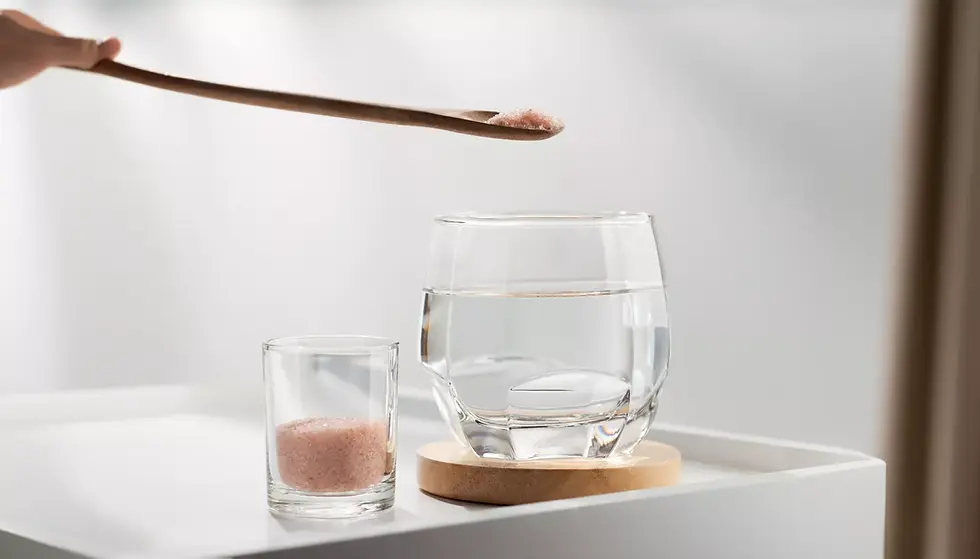
Your body cannot absorb and retain water without electrolytes — specifically sodium, potassium, and magnesium. Without that mineral balance, water passes through rather than hydrating at the cellular level.
Here is what most wellness content gets wrong: sodium is not the enemy of hydration. It is the gatekeeper of it. There is a real difference between the inflammatory sodium in processed food and the mineral-rich trace elements in quality sea salt — which is one of the most important tools for fluid balance and adrenal health during summer heat. Restricting all salt when you are sweating is not a wellness strategy. It is a dehydration accelerator.
The right salt, in the right amounts, paired with potassium and magnesium — that is what your body is asking for in July.
5 Habits That Actually Work
1. Build a sip rhythm — not a chug pattern.
Your body absorbs fluid most efficiently in small, consistent amounts. Four to six ounces every 45 to 60 minutes outperforms a large glass once or twice a day. Start within fifteen minutes of waking, when cortisol is peaking and your body has been fasting all night.
2. Eat your water — whole foods first.
Approximately 20% of daily fluid intake should come from food — more in summer. Watermelon (92% water), cucumber (96%), zucchini (95%), peaches (89%), leafy greens, and berries hydrate more slowly and sustainably than plain water because they deliver fluid alongside electrolytes and fiber. If your plate does not include a high-water-content food at every meal in July, you are under-hydrating regardless of how much you drink.
3. Replace electrolytes — not just fluids.
After sweating, your body needs sodium, potassium, and magnesium — not just water. A pinch of Abstract Spice Rose Sea Salt in your water bottle, a banana or sweet potato for potassium, and a handful of pumpkin seeds or almonds for magnesium complete the picture. Simple summer electrolyte water: 16 oz filtered water, squeeze of lemon, pinch of Rose Sea Salt, drizzle of raw honey. One dollar. Outperforms most commercial sports drinks.
4. Embrace cooling herbs.
Mint and cucumber are not just aesthetic — they are functional. Menthol in mint activates cold-sensitive receptors and supports digestive calm, which matters because heat slows digestion and creates bloating many women mistake for food sensitivity. Cucumber adds silica and Vitamin K for skin hydration from the inside. Add both to a pitcher of water every morning. Keep it cold. Drink it all day.
5. Pace yourself outdoors — thirst is a late signal.
By the time you feel thirsty, you are already one to two percent dehydrated — enough to impair cognitive function and elevate cortisol. For perimenopausal women, hormonal shifts reduce thirst sensitivity further, meaning you may be significantly dehydrated before any signal registers. Before any outdoor activity, drink eight ounces proactively. Then sip every twenty minutes regardless of whether you feel thirsty.
Your Blood Type Hydration Lens
Type O: Highest electrolyte needs of all four types. Do not restrict salt on active summer days — replace it. Prioritize potassium-rich foods at every meal to balance.
Type A: Sip warm or room-temperature water rather than cold, especially in the morning. Type A is more sodium-sensitive — lean on food-sourced electrolytes (greens, seeds, avocado) over added salt.
Type B: Adaptable constitution means B can adjust to mild dehydration without obvious symptoms — making proactive hydration before thirst signals especially important. Rotate sources: coconut water, herbal teas, cucumber water, plain water.
Type AB: Cortisol elevation from stress directly impairs the kidneys' ability to retain water — meaning stressed AB individuals dehydrate faster than their fluid intake suggests. Check in with your body regularly. Brain fog and afternoon fatigue are often dehydration, not burnout.
This Week's Recipe: Cucumber Mint Electrolyte Water
Make a pitcher Sunday. Drink it all week. All blood types welcome.
Ingredients (64 oz / half gallon):
64 oz filtered water
1 medium cucumber, thinly sliced
1 large handful fresh mint, gently rubbed to release essential oils
1 fresh lemon, thinly sliced
2 pinches Abstract Spice Rose Sea Salt
1 teaspoon raw honey (optional)
Method:
Combine all ingredients in a large pitcher. Refrigerate at least 2 hours — overnight is ideal.
Sip throughout the day, refilling with water as needed. Stays fresh and flavorful up to 48 hours.
Blood Type swaps:
Type O: Swap watermelon for cucumber, plus it adds extra potassium. Use a generous pinch of Rose Sea Salt.
Type A: Serve room temperature. Add a small piece of fresh ginger for digestive support.
Type B: Add a few fresh basil leaves and a splash of coconut water directly to your glass.
Type AB: Add a handful of fresh blueberries to the pitcher for antioxidant support and a beautiful color.

The Habit Beneath All the Habits
Hydration is a mindfulness practice before it is a physical one. Your body sends signals constantly — the afternoon fatigue, the 3pm fog, the headache that builds after an hour outside. Most of us override them. We push through, we caffeinate, we call it the heat.
What your body is doing is communicating. Learning to listen — with the same intention you bring to anything else you care about — is the foundation that makes all five habits stick. That is exactly the work we do in the 7-Week Blood Type Wellness Cohort. Not just what to eat and drink, but how to hear what your body is telling you and respond to it specifically, based on your blood type.
🎉 Enrollment Opens Today — July 14th
Ten founding member spots. $197. Live virtual sessions August 4th through September 15th — recorded and yours to keep. A blood type-specific meal plan. A live kitchen demo. Your own digital copy of The Green Door to Wellness eBook ($24.99 value). A screened, intentional group doing this work alongside you.
Enrollment closes August 1st. When the ten spots are filled, they are filled. If you have been reading these posts and thinking it is time to stop guessing — it is, and this is the room. Link below.
The Final Taste
Five habits. One recipe. Your blood type. Make the pitcher tonight, start the sip rhythm tomorrow morning, and if you are ready to go deeper — enroll today.
✨ Your Next Step
🎉 Enroll in the 7-Week Blood Type Wellness Cohort — Reserve Your Spot Now 10 founding member spots • $197 • Enrollment closes August 1st • Live sessions begin August 4th |
🌿 Join Thrive & Sustain Wellness Coaching |
🍵 Take the Custom Wellness Tea Blend Assessment |
🌱 Complete your FREE Blood Type Wellness Assessment — https://www.acartoffood.com/free-blood-type-wellness-assessment |
💬 Book your FREE Blood Type Wellness Discovery Consult — https://www.acartoffood.com/bookmenow |


Comments