


Understanding the Adrenal-Hormone Connection in Stress and Menopause Management
- AC Price

- 5 hours ago
- 6 min read
This Week's Tasty Blog I AC Art Of Food
You're doing everything your doctor suggested. Maybe you've tried hormone therapy, or you're considering it. You're tracking your symptoms, taking your supplements, trying to eat well.
And yet the hot flashes keep coming. The mood swings. The bone-deep fatigue. The brain fog that makes you feel like you're operating at half capacity on a good day.
What if I told you that one of the most significant drivers of your perimenopause symptoms isn't just declining hormones — it's a cortisol system that is actively interfering with the hormones you still have?
This is the hormone hijack. And once you see it, you cannot unsee it.
What Is the Hormone Hijack?
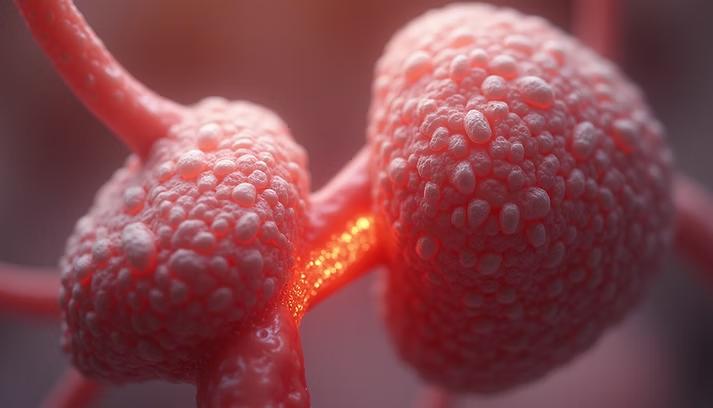
Your adrenal glands sit just above your kidneys and they have one primary job: keep you alive under threat. When they perceive stress — real or perceived, physical or emotional — they produce cortisol. This is non-negotiable in the body's hierarchy of needs. Survival always comes first.
Here is where it gets critical for perimenopausal women: your adrenal glands also produce precursors to your sex hormones — estrogen, progesterone, and testosterone. Under normal conditions, your adrenals handle both jobs. But under chronic stress, the body makes a ruthless executive decision.
Cortisol production takes priority. Sex hormone production gets cut.
This phenomenon is sometimes called "pregnenolone steal" — the shared hormonal precursor pregnenolone gets diverted away from sex hormone pathways and funneled into cortisol production instead. The result: your adrenals are so focused on managing your stress response that estrogen, progesterone, and testosterone synthesis are all running at a deficit.
In perimenopause, when your ovarian hormone production is already declining naturally, this adrenal interference is not a minor inconvenience. It is a compounding crisis — your body is losing hormones from two directions at once.
What the Hormone Hijack Actually Feels Like
The symptoms of cortisol-driven hormone disruption overlap almost completely with perimenopause symptoms — which is exactly why this connection is so consistently missed. Your doctor may be treating the hormonal symptoms while the cortisol root cause continues unchecked.
Here is what the hormone hijack looks like in daily life:
Hot flashes and night sweats that worsen under stress. Cortisol dysregulates the hypothalamus — the brain region responsible for body temperature control. Stress doesn't just trigger hot flashes; it amplifies their intensity and frequency.
Anxiety and mood instability that feels disproportionate. Progesterone has a natural calming effect on the nervous system. When cortisol suppresses progesterone production, that calming buffer disappears — leaving the nervous system raw and reactive.
Crushing fatigue that sleep doesn't fix. When both cortisol rhythm and sex hormones are dysregulated simultaneously, the body's energy production systems are compromised at multiple levels.
Brain fog and memory lapses. Estrogen supports cognitive function, memory consolidation, and neural clarity. Its suppression by chronic cortisol is a direct contributor to the "perimenopause brain" so many women describe.
Libido that has completely disappeared. Testosterone — also deprioritized during the cortisol steal — is essential for desire, energy, and motivation. Its suppression is not psychological. It is physiological.
None of these symptoms are inevitable. They are signals that the cortisol system needs to be addressed — and that food, recovery, and blood-type-aligned nutrition are among your most powerful tools to do it.
Why Blood Type A Women Are Especially Vulnerable
Every woman in perimenopause faces the adrenal-hormone connection to some degree. But Blood Type A women carry a heightened physiological vulnerability to it — and understanding why is the key to addressing it effectively.
Blood Type A physiology is associated with a more sensitive and prolonged stress response. Type A's produce cortisol more readily and clear it more slowly. This means the adrenal system of a Blood Type A woman is already running at higher cortisol levels as a baseline — before perimenopause even begins.
Add the hormonal transition of perimenopause — and the already-elevated cortisol load becomes the dominant driver of the body's resource allocation decisions. The result is that Blood Type A women in perimenopause tend to experience:
More intense and frequent mood disruptions as progesterone declines under cortisol pressure
Greater cognitive sensitivity — brain fog that feels more pronounced and persistent
Heightened digestive reactivity, since Blood Type A's naturally more sensitive gut is further compromised by cortisol-driven inflammation
A stronger felt sense that their body is "out of control" — because physiologically, more systems are being impacted simultaneously
This is not catastrophizing. This is biology — and biology is actionable.
How to Interrupt the Hijack: The Food-First Approach
Managing the hormone hijack means managing cortisol first — consistently and strategically. For Blood Type A women, food is one of the most direct and effective levers available.
1. Anchor every meal with blood sugar stability.
Cortisol spikes in response to blood sugar crashes. For Blood Type A, this means every meal needs protein and fat alongside complex carbohydrates. Tofu, eggs, legumes, salmon, and nuts are ideal anchors — they slow glucose absorption and prevent the cortisol surges that rob your hormones.
2. Eat foods that directly support adrenal function.
Your adrenal glands need specific nutrients to function well: vitamin C (pineapple, broccoli, kiwi), B vitamins (leafy greens, eggs, legumes), magnesium (spinach, pumpkin seeds, dark chocolate), and zinc (pumpkin seeds, lentils, peanuts). These are not supplements as an afterthought — they are the raw materials your adrenals run on.
3. Incorporate Blood Type A adaptogens daily.
Ashwagandha is one of the most studied adaptogens for cortisol regulation — it supports the HPA axis (the stress hormone command center) and has been shown to lower cortisol levels with consistent use. Miso, a fermented soy product that is particularly beneficial for Blood Type A, supports gut health and provides phytoestrogens that can help offset estrogen suppression. Holy basil, rhodiola, and reishi mushroom are also well-suited adaptogenic allies for Type A physiology.
4. Reduce the foods that amplify cortisol output.
For Blood Type A specifically: red meat increases inflammatory load and stresses the digestive system, which triggers a cortisol response. Excess caffeine, alcohol, refined sugar, and processed foods all amplify cortisol output and deplete the adrenal nutrients your body desperately needs during perimenopause. Removing or significantly reducing these is not restriction — it is protection.
5. Time your meals to support your cortisol curve.
Cortisol is naturally highest in the morning and should decline through the day. Eating your most nutrient-dense, protein-forward meal in the morning or midday — and keeping dinner lighter and easier to digest — works with this natural rhythm and reduces the likelihood of cortisol staying elevated into the evening.
The Hormone Hijack Across All Blood Types
The adrenal-cortisol-hormone connection affects every woman in perimenopause — it simply shows up differently depending on blood type:
🩸Blood Type O: Tends toward a more physically expressed cortisol response — inflammation, joint pain, and digestive disruption often accompany hormonal shifts. High-quality animal protein and vigorous movement (with adequate recovery) are key adrenal supports.
🩸Blood Type B: Has greater hormonal flexibility but is susceptible to cortisol-driven fatigue and viral vulnerability when chronically stressed. Consistency in eating schedule and stress management practices make a significant difference for Type B adrenal health.
🩸Blood Types AB: Shares Blood Type A's sensitivity to emotional and mental stress as a cortisol driver. The adrenal-hormone connection is equally pronounced for AB. A calm nervous system — supported by food, movement, and mindfulness — is the foundation of hormonal balance for AB.
Stress Management IS Hormone Management
This is the reframe that changes everything: managing your perimenopause symptoms and managing your cortisol are not two separate conversations. They are the same conversation.
Every cortisol-lowering choice you make — every blood-type-aligned meal, every recovery ritual, every adaptogen in your evening tea — is a direct investment in your estrogen, your progesterone, your testosterone, and your quality of life.
You are not at the mercy of your hormones. You are not just waiting for perimenopause to be over. You have more influence over this process than you have been told — and it starts with what is on your plate.
The 14-Day Culinary Cortisol Reset was designed with exactly this in mind: interrupt the hijack, support your adrenals, and give your hormones the environment they need to rebalance.
The Final Taste
Your symptoms are not your destiny. They are data.
Hot flashes, mood swings, brain fog, exhaustion, low libido — these are your body communicating that cortisol has taken the wheel. The answer is not to white-knuckle through perimenopause or simply accept it as the new normal.
The answer is to address the hijack directly. To feed your adrenals what they need. To lower your cortisol consistently. To give your body the raw materials to rebuild the hormonal balance that chronic stress has been quietly dismantling.
You can get your hormones back. And it starts with your next meal.
Great Eats & Healthy Living!
✨ Stop Managing Symptoms. Start Addressing the Root. The 14-Day Culinary Cortisol Reset for Perimenopausal & Menopausal Women is a self-paced culinary wellness program built around blood type-aligned nutrition that targets cortisol at the root — so your hormones can finally come back into balance. 👉 Enroll now at www.acartoffood.com/culinary-cortisol-reset 💬 Book your FREE Blood Type Wellness Discovery Consult and let's talk about what YOUR hormones actually need right now. 🌿 Abstract Spice Wellness Bundle — functional spices formulated to fight inflammation and support hormonal balance. Shop at www.acartoffood.com |


Comments